Skip to content
Navritto

The Cabin at the End of the Lights

Thrillers & SuspenseTeens & Up · 13+✦ 6-minute read6 pages
📖 Download Story

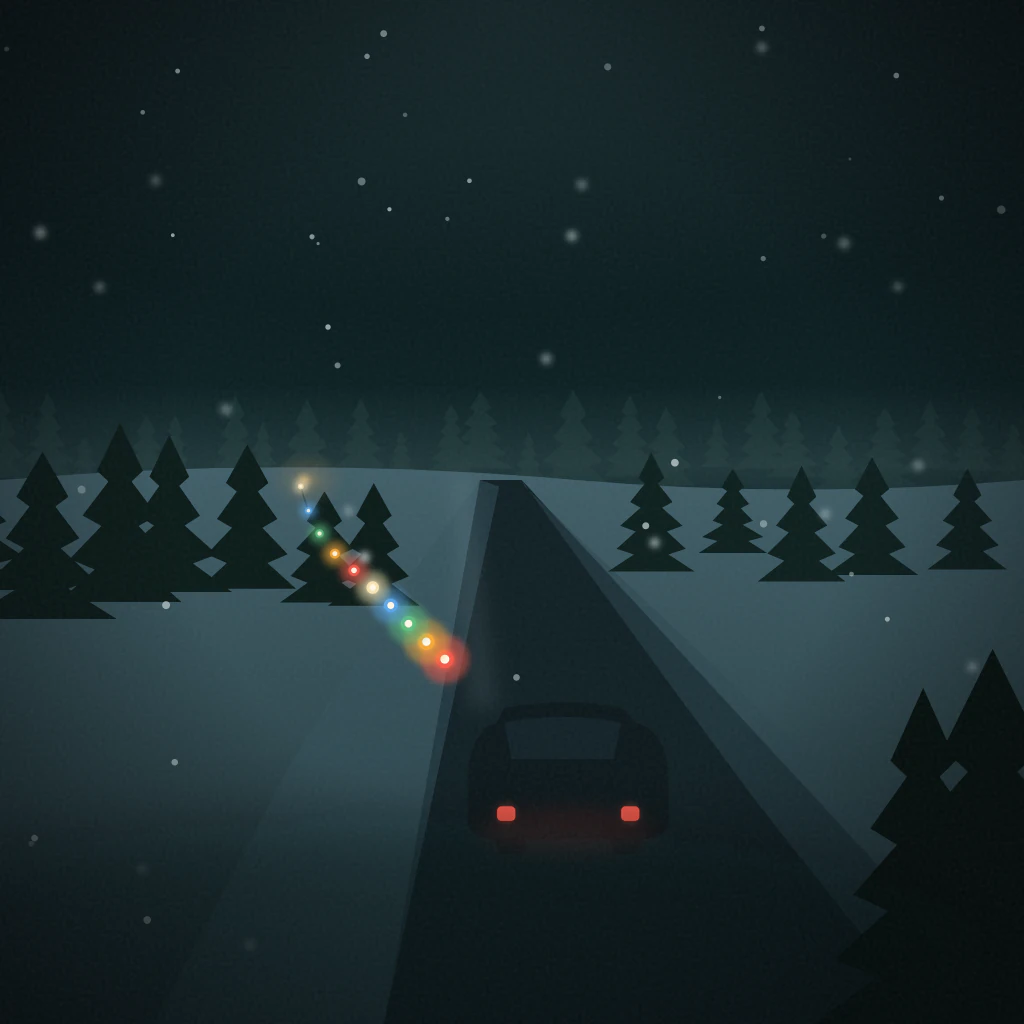
The snow had been falling for an hour when the engine died, somewhere past the last town with a name on it. Dad let the car coast onto the shoulder, and then there was nothing but the tick of cooling metal and a dark so complete it felt like a held breath.

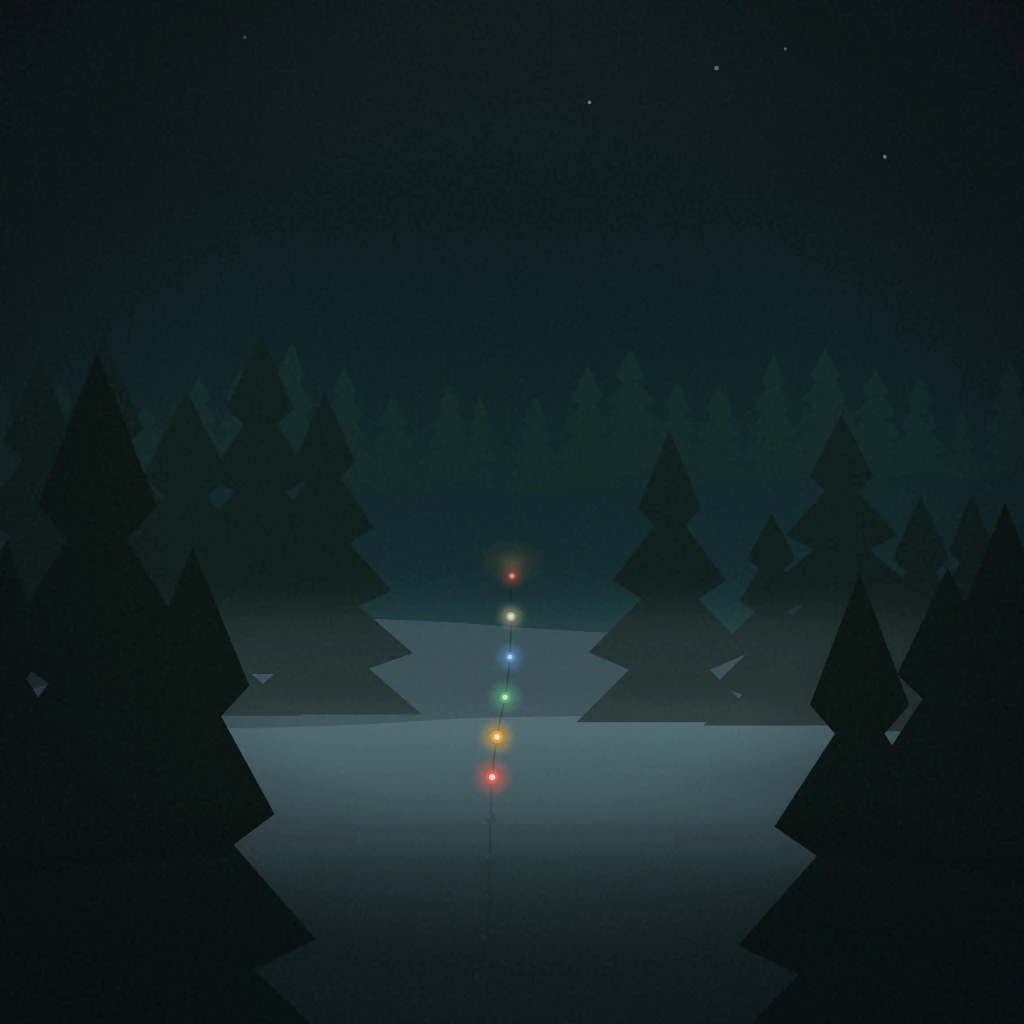
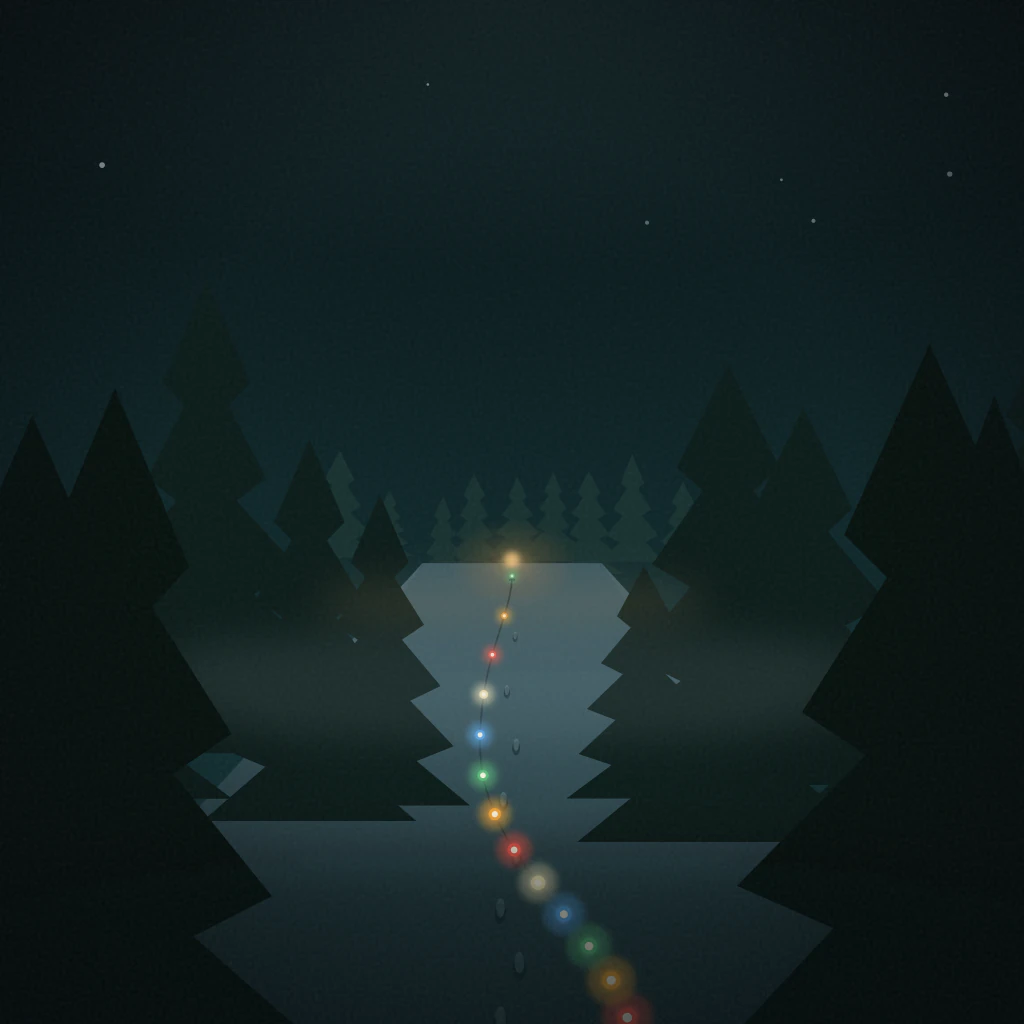
We were still deciding whose phone might have a signal when my brother pointed out the window. Strung along the treeline, where the plowed road gave up and the woods began, was a single line of Christmas lights — red, gold, green, blue — leading off into the pines, as if someone had left them burning for us.
We should have stayed with the car. Everyone knows that. But the cold was already finding the seams in our coats, and the lights looked so warm, and Mom said a strand of lights meant a house, and a house meant a phone and a kettle and someone's grandfather who would laugh at us for being out in this.

So we followed. The snow took our voices and gave back nothing, and the little coloured bulbs drew us on, one to the next, deeper than I wanted to go — each one close and bright until we reached it, and then already further ahead, glowing smaller in the black.

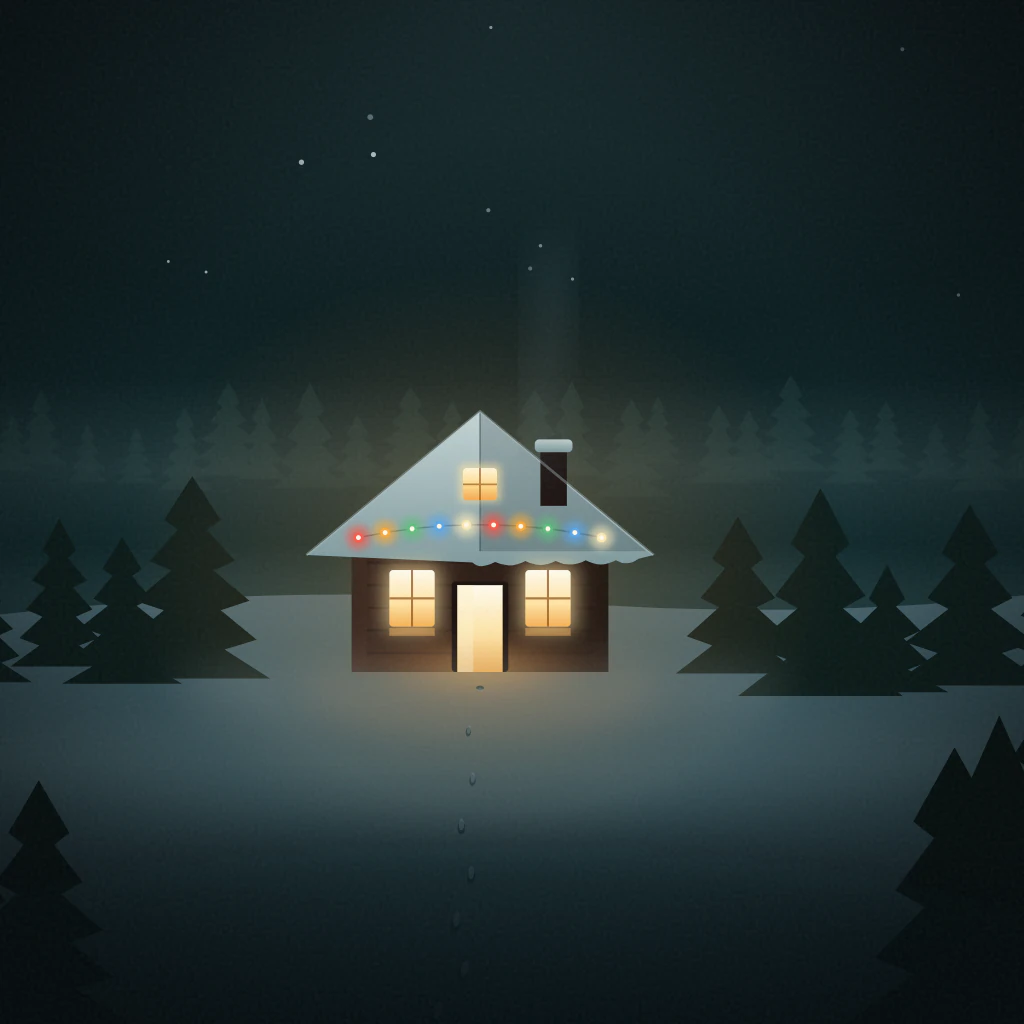
The trees opened all at once, and there it was: a cabin with every window the colour of honey, woodsmoke standing straight up from the chimney into the still air. Lights ran along its eaves. It looked like the last warm thing in the world.

We were halfway to the door before my brother said the thing I had already seen and was trying not to. The snow around the cabin lay deep and smooth and perfect in every direction — unbroken, untouched, not a track on it anywhere. No one had walked up to that door in a long time. No one but us, just now, making the only footprints there were.

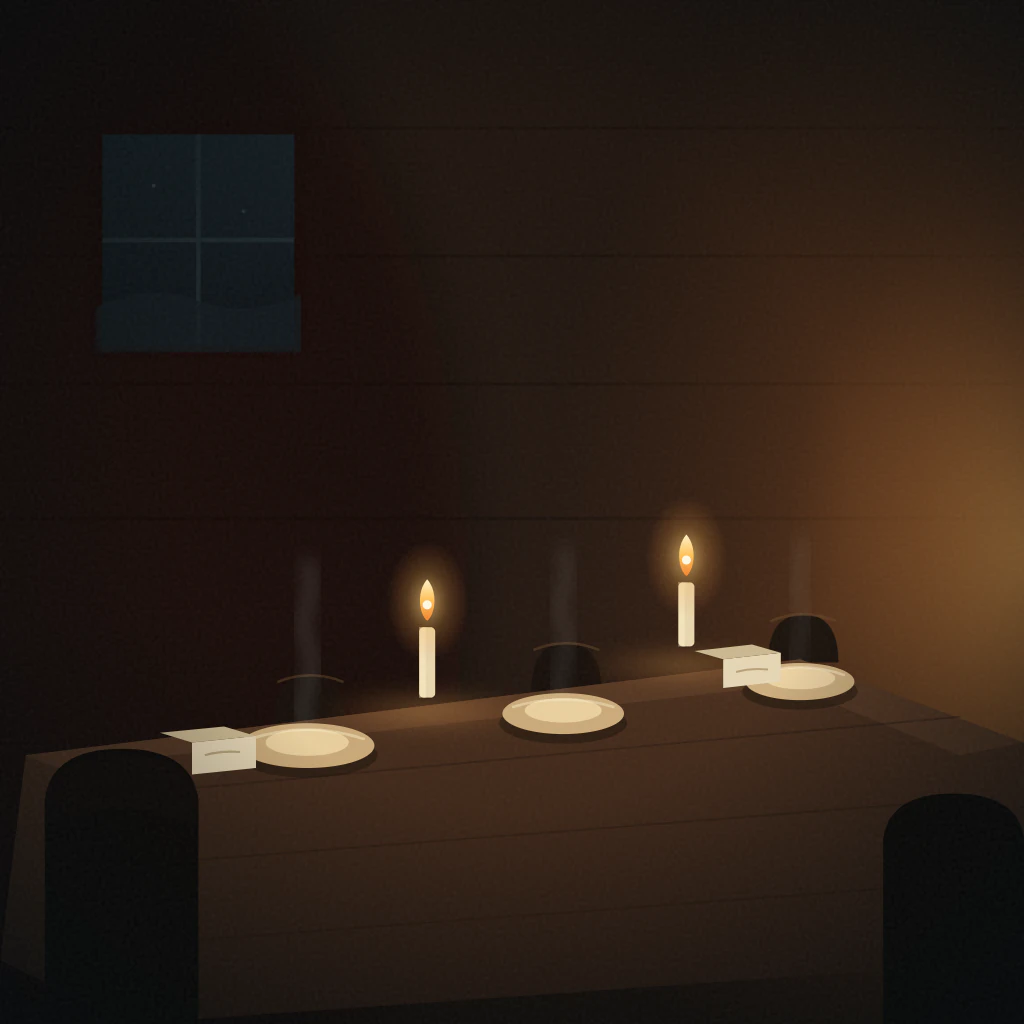
The door was unlocked. Inside it was warm as summer, and it smelled of cinnamon and woodsmoke and something slow-roasting, and a long table stood set for dinner in the candlelight. Four places. Steam still curled off the plates.

At each setting was a little folded card, the kind you write a guest's name on. I didn't want to read them. I read them anyway. They were our names — mine, my brother's, my mother's, my father's — in a careful, old-fashioned hand, as though we had been expected for a very long time, and were only now, at last, arriving.

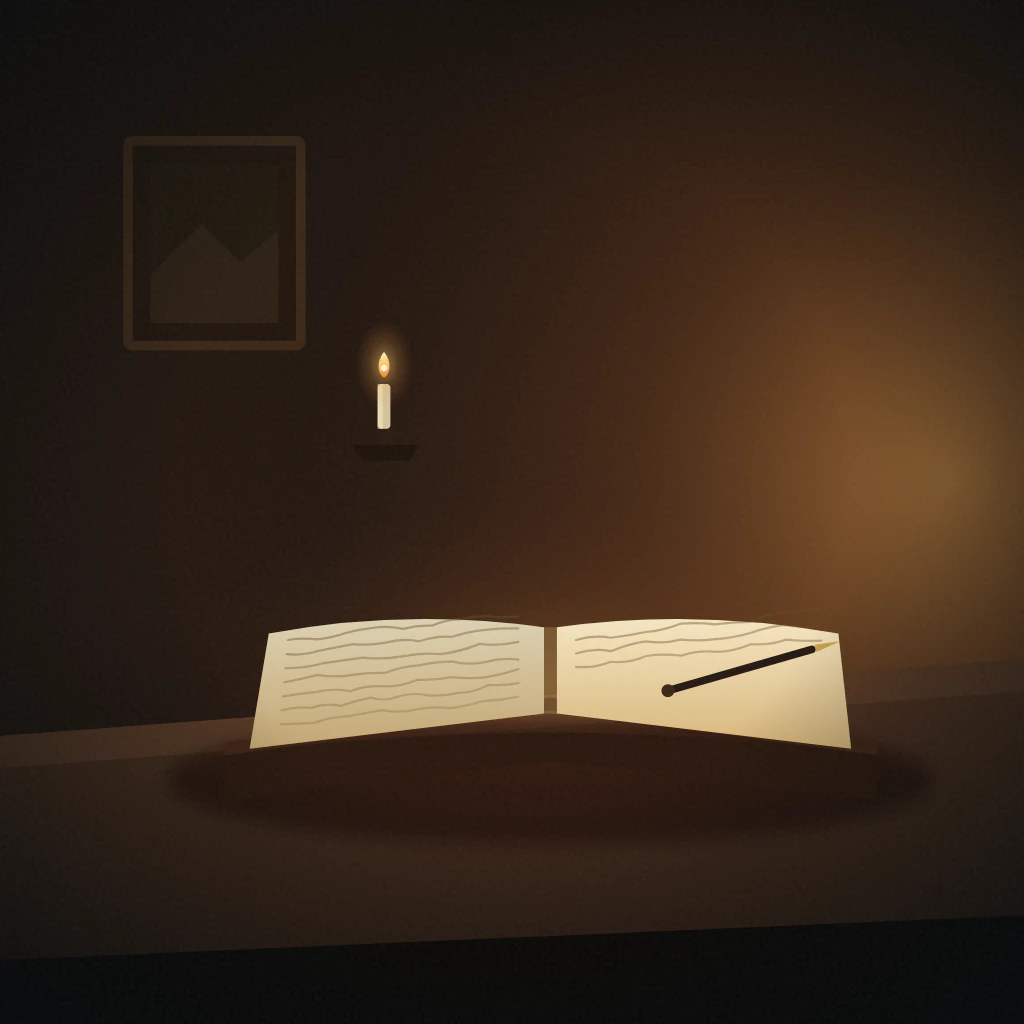
On a side table by the fire lay a book, open, bound in cracked leather, a pen resting in the fold as if someone had just set it down. Its pages were full of names in faded ink — columns of them, year upon year, the handwriting going brown and soft with age.

Every family who had ever followed the lights in, I understood, had signed it. The last page was blank but for four fresh lines near the top, waiting, with room beneath for whoever came after us. My mother closed the book very quietly, the way you shut a door you don't want to hear latch, and said one word. Out.

We did not run until we were past the treeline, and then we ran. Behind us I heard the cabin's warmth close like a mouth, and when I looked back the lights were going out — one bulb, then the next, then the next — the dark walking toward us down the string we had come in on. Where the road had been there was only snow now, smooth and deep and unmarked, as if no road had ever run there at all.

We found our way out by luck, or by something kinder than luck, and the car started on the first turn of the key. We never found the cabin again, though Dad drove that stretch a dozen times in daylight. But every winter since, on the first hard snow, I lie awake and think of the last page, and the empty lines left under our names, and I wonder who is reading them now, and following, and signing.