Skip to content
Navritto

The Carol Nobody Wrote

Mystery & the StrangeAll Ages✦ 6-minute read6 pages
📖 Download Story

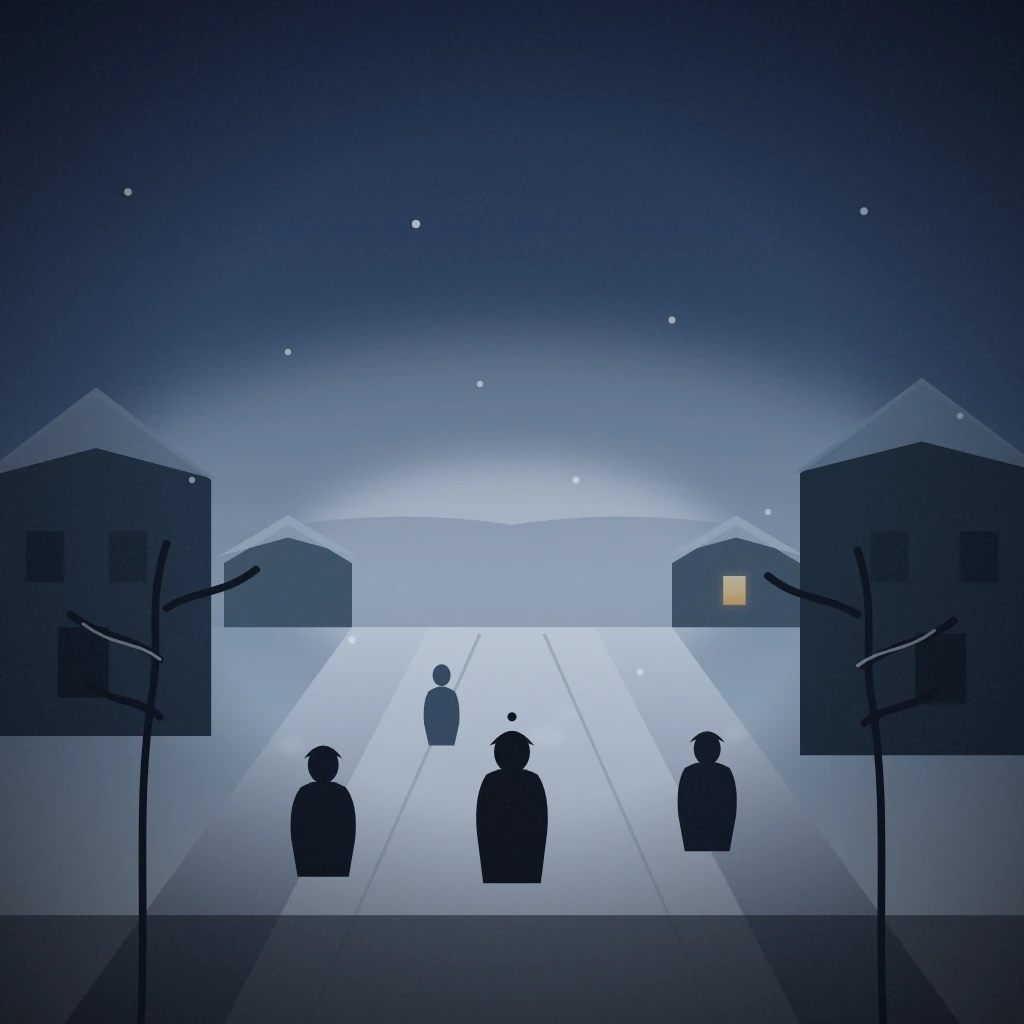
On Christmas morning the whole town woke up humming. Not the usual carols — something older and slower, a tune in a minor key that rose and fell like water moving under ice. The baker hummed it over his dough; children hummed it before they had opened a single present; and by the time the bells rang, every soul on our street was standing out in the snow, breath pluming in the cold, humming the very same thing.

That was what unsettled me — not that we all knew the melody, but that every one of us knew we had never been taught it. It was simply there when we woke, familiar as our own names. And there were words, too. We all knew the words. And no two of us could remember ever having heard them before.

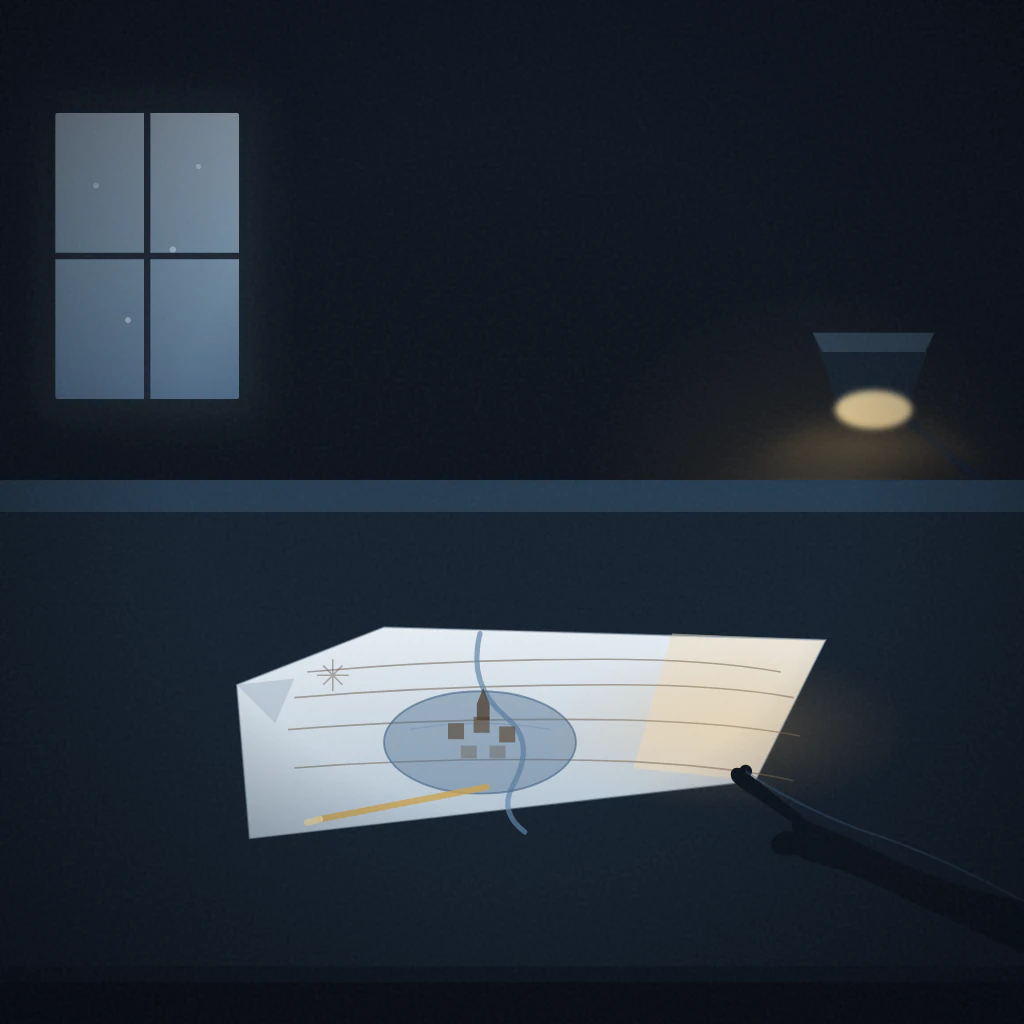
I teach music, so they came to me, as though I might have the answer folded away in a drawer. I did not. That night I went through every hymnal in the church and every record in the old cabinet, and the carol was in none of them. It was in no book I owned, no recording, no catalogue I could find anywhere.

There was no composer. No title. No faint pencil note in a margin. A song an entire town could sing by heart, and not one printed line of it existed in the world. I sat with the hymnal lying open and blank before me and felt, for the first time, that we had not remembered the carol at all. It had remembered us.

I pulled at the one loose thread I had — the words. They spoke of a valley, a bell, a long cold water closing quietly over a roof. So I went to the county archive and found the oldest maps, the ones drawn before my grandmother was born, and spread them out under the lamp.

There it was, in faded ink: a village in a valley, a church, a river running past a cluster of little houses. And drawn over all of it, in a later and darker hand, the smooth grey shape of the reservoir. They had flooded the whole valley to make our water. The village — its lanes, its church, its people's winter nights — lay at the bottom of the lake we skated on every year.

I walked out to the reservoir at dusk, where the ice lay flat and silver and the far shore stood black with trees. I had crossed that lake a hundred times and never once thought of what was underneath it.

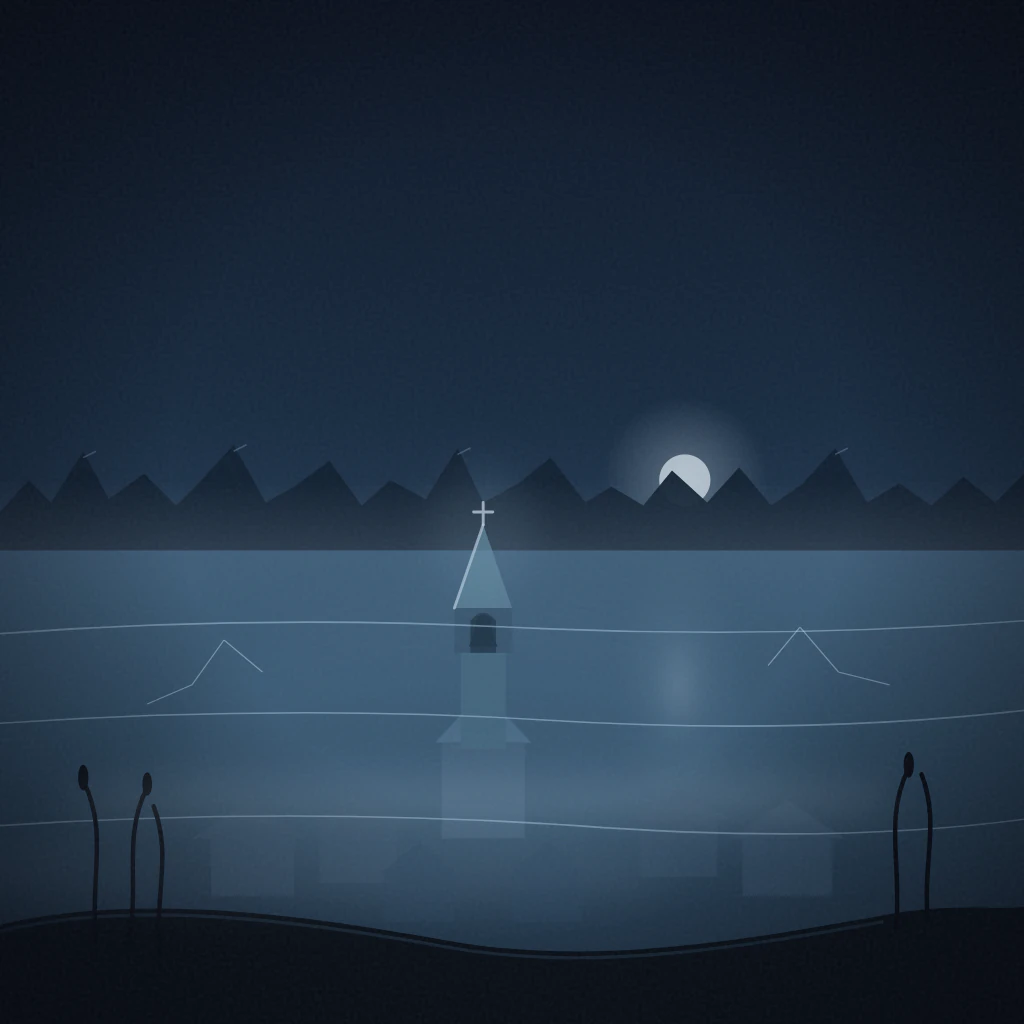
But that evening, with the low moon just risen, I could see them — faint as breath on glass, far down beneath the frozen skin: the pale shapes of rooftops, a sunken street, and the steeple of a drowned church with its bell still hanging silent in the belfry. A whole town, holding its breath under the ice. And I understood, the way you understand a thing you have always somehow known, exactly where the carol had come from.

On Christmas night I went back. The lake was still as held breath, the moon high and cold, and I stood on the shore and waited, though I could not have told you for what.

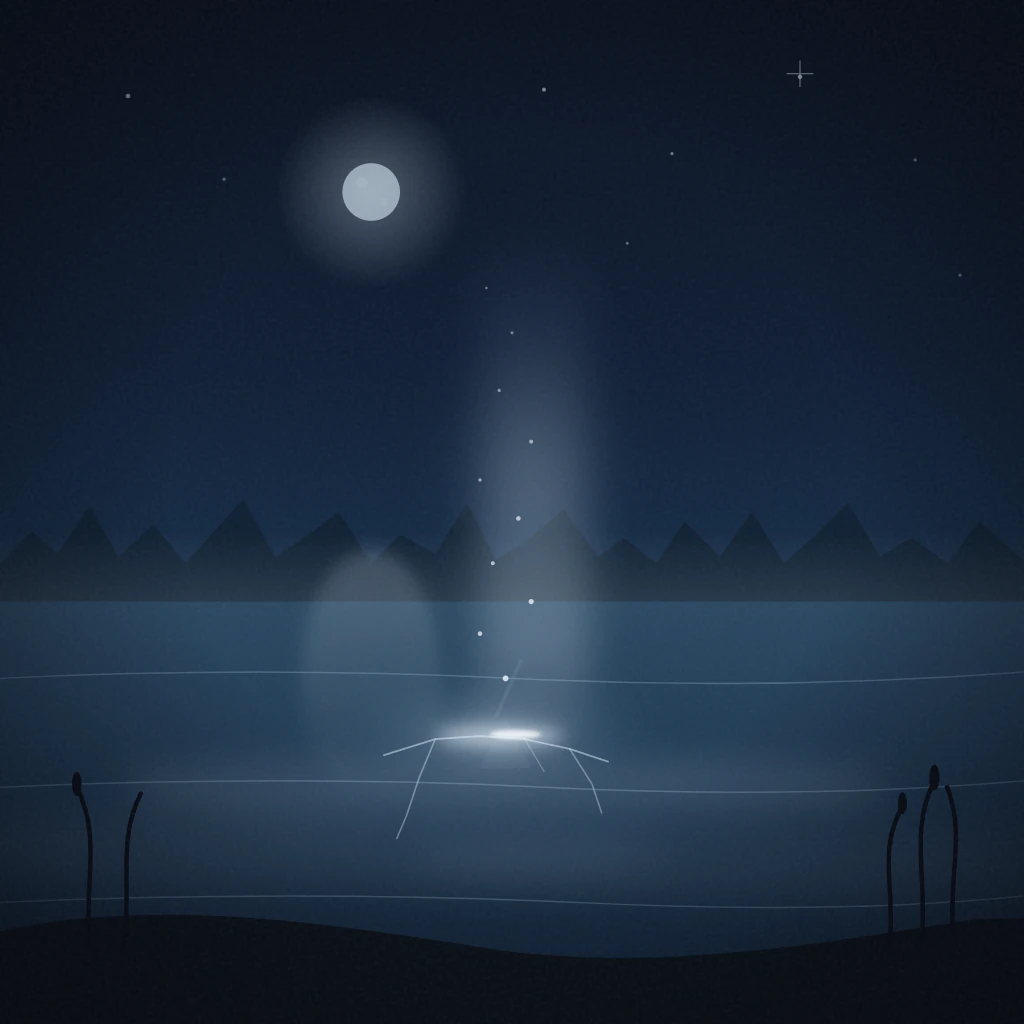
At midnight the ice cracked — once, softly, like a key turning in a lock — and a pale light welled up through it, and with the light came the last verse. Not sung by anyone. Rising. It lifted out of the frozen water in little motes of brightness: the verse none of us had been able to finish, the one the village had never got to sing on the Christmas the water came. I listened to the end of their carol, alone on the shore. Then the light folded gently back under the ice, and the lake was only a lake again.

I never told the town what I had seen on the ice. What would I have said? But the carol stayed with us, the way a kindness stays, and every Christmas since we have sung it — all of it now, every verse, the ending and all.

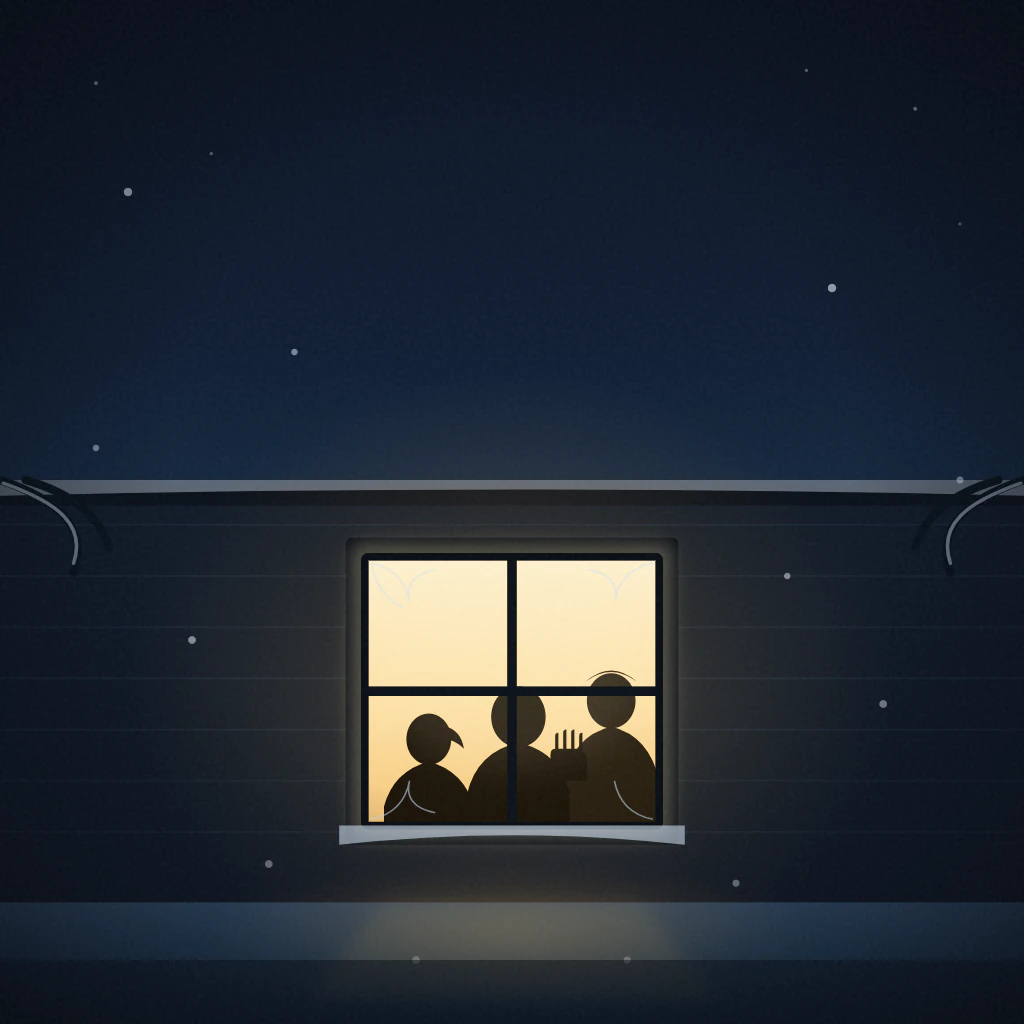
The strangest thing is the children. This year the little ones knew the last verse too, the one I heard rise from under the lake, though I have never written it down and never will. They stand at the frosted window on Christmas night, breath fogging the glass, humming a song a drowned village once taught the dark — and somewhere under the ice, I like to believe, an old church hears its own carol come home at last, and is glad.