Skip to content
Navritto

The Clock That Struck Thirteen

Mystery & the StrangeTeens & Up · 13+✦ 6-minute read6 pages
📖 Download Story

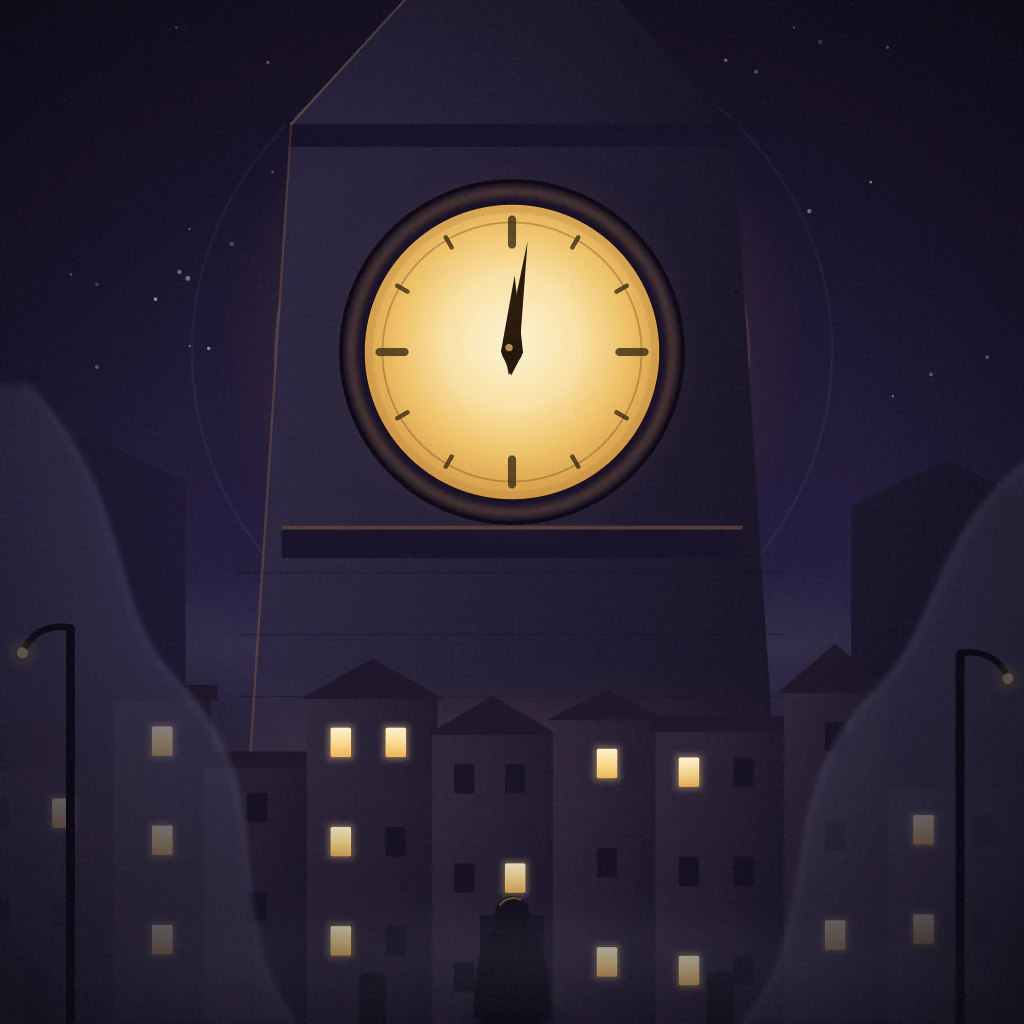
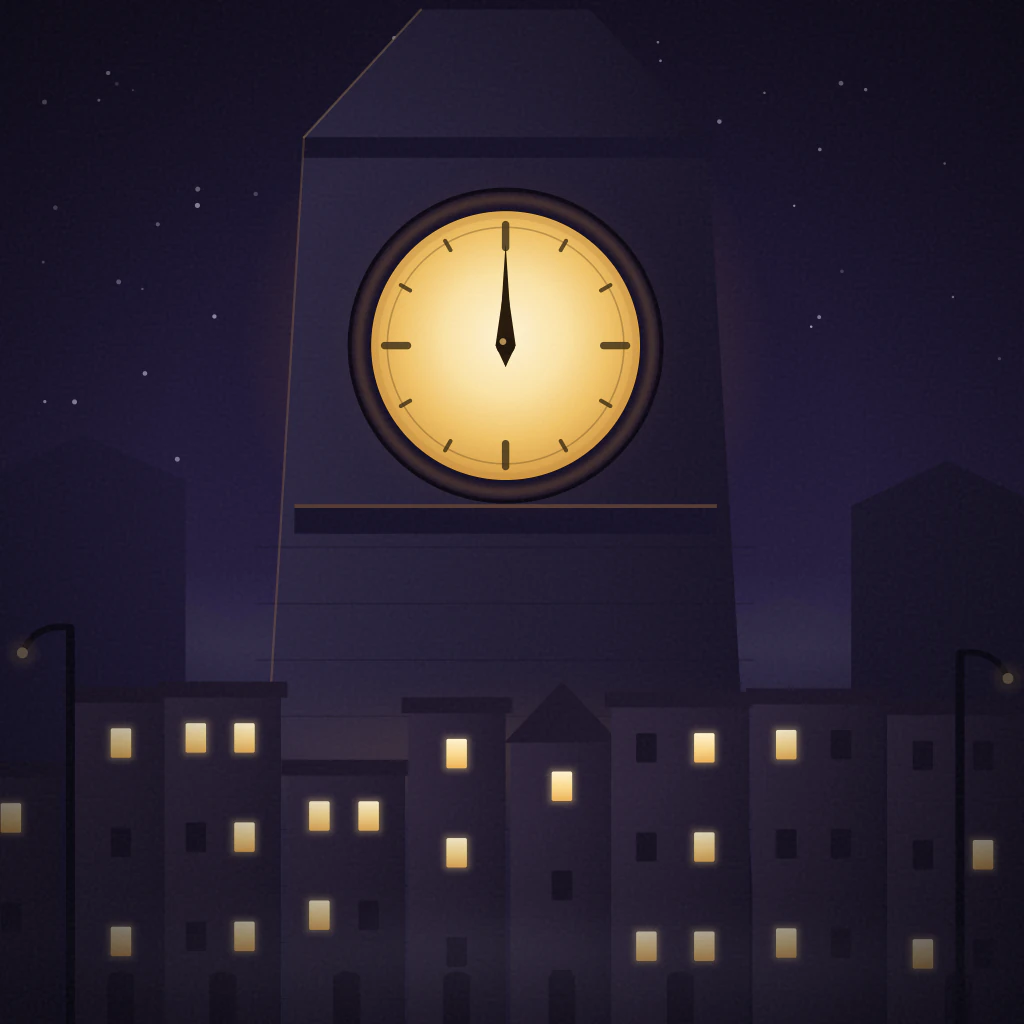
Our town keeps its time by one clock — the old stone one in the tower over the square, that has counted every hour since long before any of us were born. On New Year's Eve we gather under it the way people have always gathered under a thing that is older than they are, and we wait for it to let the year go.

At midnight it struck twelve, slow and certain, and far below its gold face the windows of the houses held their small warm lights against the cold. Twelve strikes, and the old year was spent. We should all have gone home then. I know now that the clock was not finished.
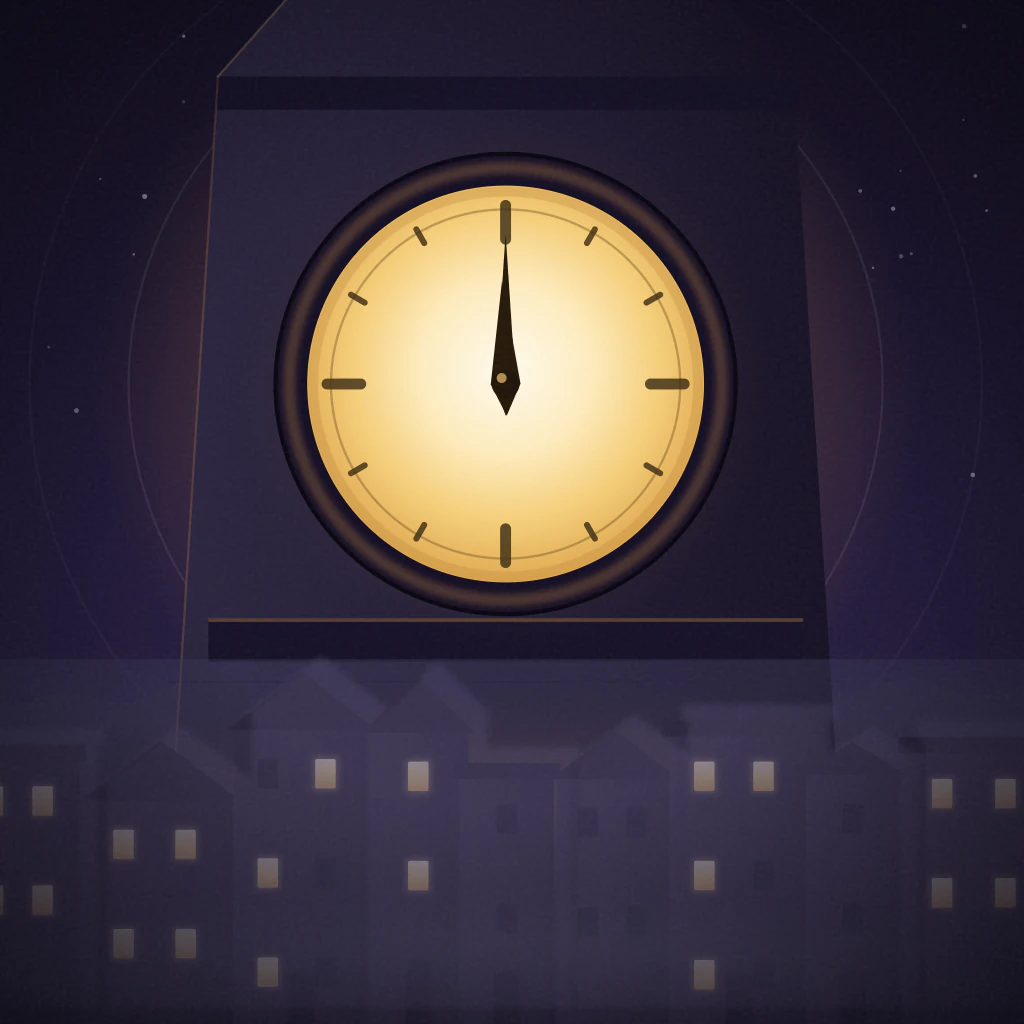
It struck a thirteenth time.

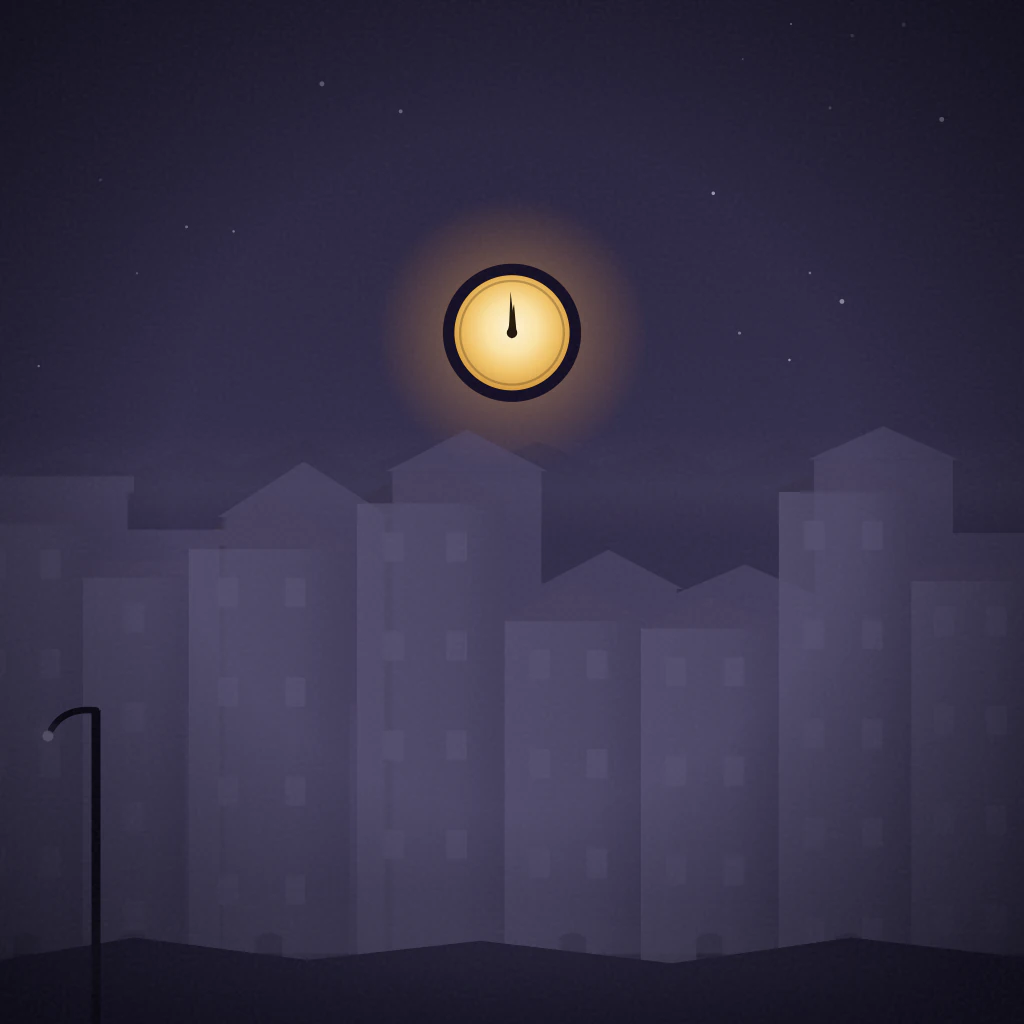
One more note than there has ever been, dropping into the quiet after twelve — and with it the whole town went still. Not quiet; still. The breath stopped in the air. The lit windows did not go dark so much as go grey, the colour draining out of them the way warmth leaves a hand, and a hush spread from the tower across the rooftops the way a ring spreads on water, until the square I had stood in all my life was a place I had never been.

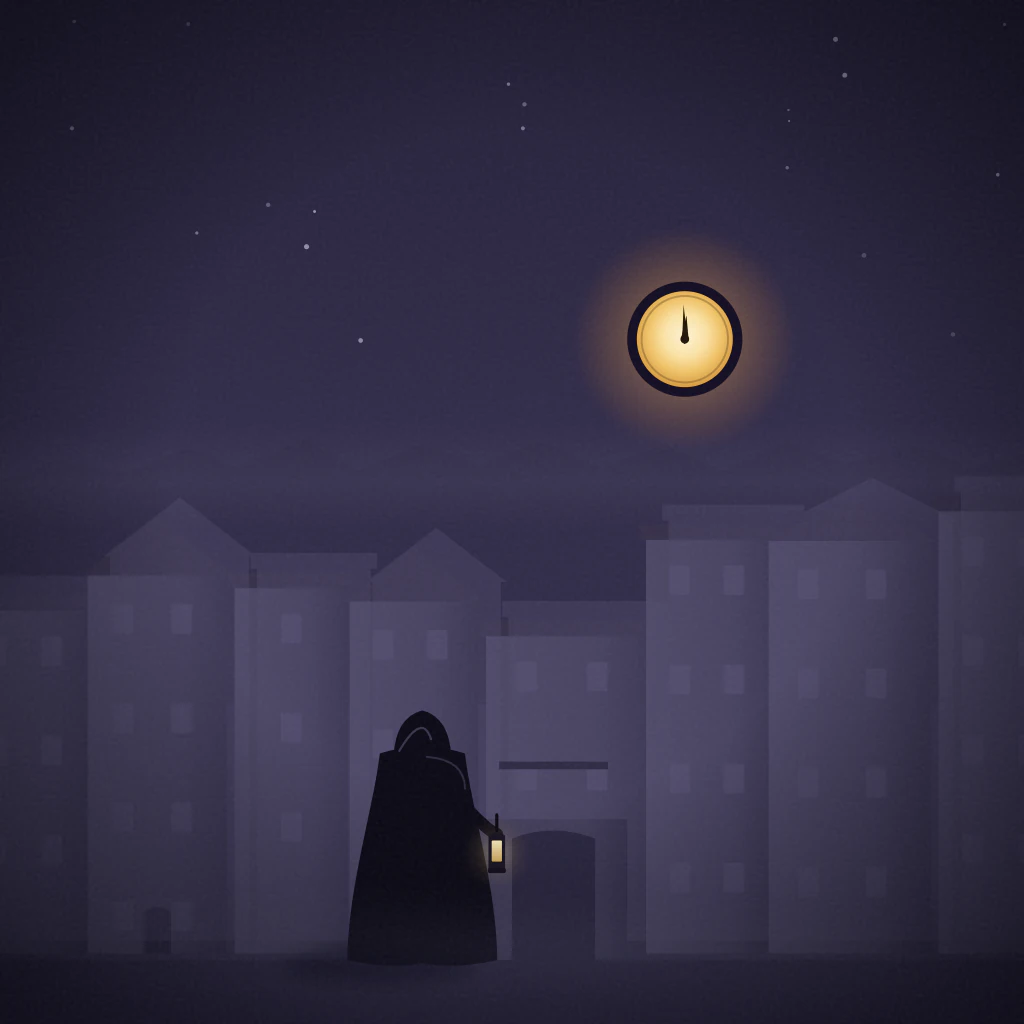
Over my own street, where I knew every gate and gutter, a second street had opened. It lay across the first like a photograph set a little off its copy — the same houses, the same crooked gables, but drained to a flat and ashen violet, and so completely still that the stillness had a sound of its own.

Nothing moved in it. No smoke, no cat, no curtain. It was my town built again out of grey, a town for no one, and the old clock burned gold at the end of it like the single lamp left on in an empty house.

That was when I saw that one thing in the grey town was moving.

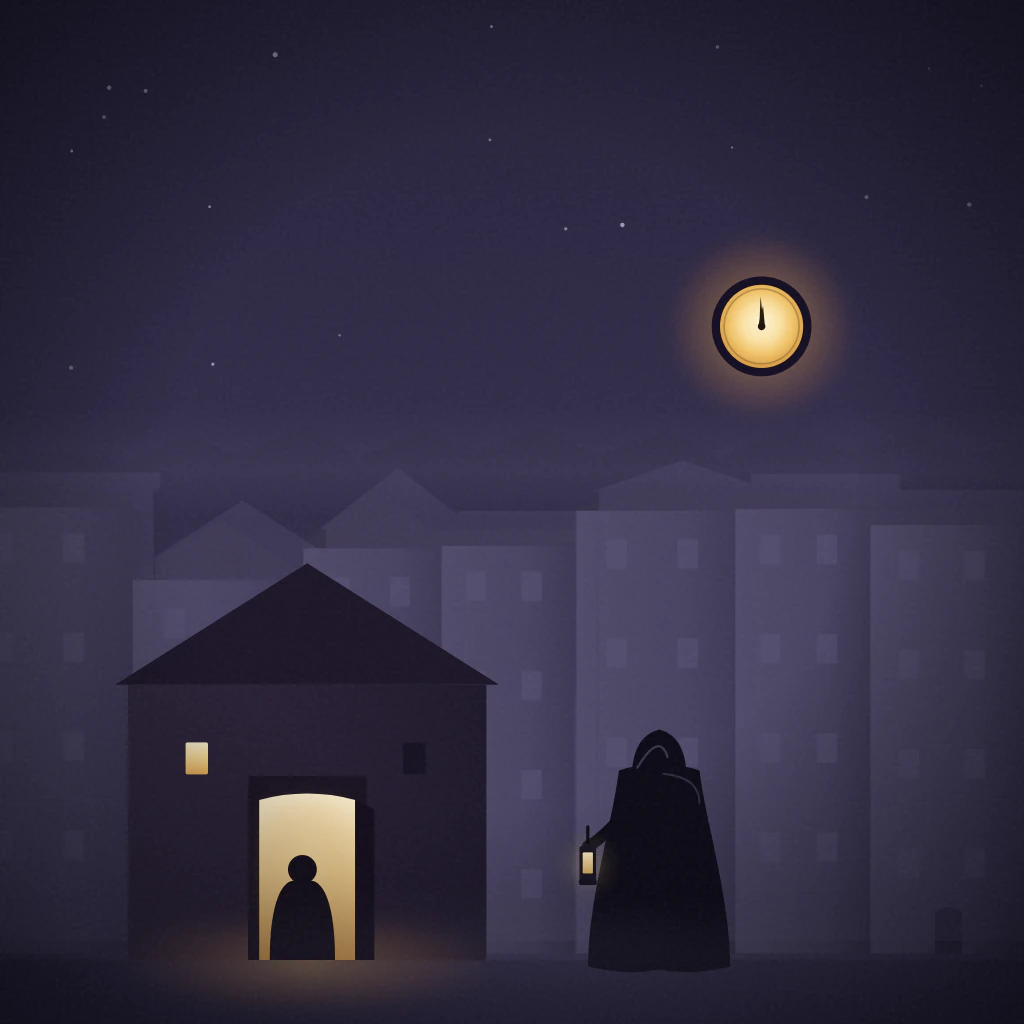
A figure in a long cloak went from door to door with a dim lantern swinging low, and at each door it stopped, and bowed its hooded head, and seemed to lift something gently out of the house and fold it into the dark it carried. I understood, the way you understand things in the grey hour without being told, that it had come for the extra hour the clock had made — and that it meant to collect it one memory at a time, house by house, before the hour closed.

It came at last to my door, where I stood in the one warm rectangle of light left in the world, and it did not frighten me — which frightened me more than anything. It asked, not in words, which hour I would give. It would take only one, it let me know; one small hour I would never miss; and in exchange the grey would have no need to come for me again.

I thought of all the hours I had wished away. Then I thought of the one hour I would have given anything to keep — a last ordinary afternoon with someone I had lost, when I had not known that it was the last — and I understood the bargain exactly. The hour it wanted was always, always that one.

I shut the door.

Behind me the clock struck a fourteenth time, and the grey town peeled back from mine like frost going off a window in the sun — the colour ran home into the walls, the lamps warmed, the lit windows were lit again, and somewhere a dog barked and a bottle rolled and the new year poured back in, loud and alive and entirely unaware. The cloaked figure was gone, its one hour ungiven. I stood alone in the street a while longer than I meant to, keeping the hour I had kept; and every New Year's since, I have counted the strikes — twelve, and then, very carefully, no more — and hoped I was right not to let it go.